
Should You Replace Windows Before Selling Your DFW Home?
A Plano homeowner getting ready to list may notice the same windows a buyer will notice first: the cloudy breakfast-nook glass, the front bedroom sash that takes two hands to open, the cracked trim near the patio, and the original windows facing the afternoon sun. The house may still show well. The question is whether those windows will become a buyer objection, a repair conversation, or simply one more older feature in a home with other priorities.
There is no honest blanket answer to whether you should replace windows before selling. In Dallas-Fort Worth, the right choice depends on window condition, listing timing, other home needs, agent feedback, and whether replacement would solve a real problem rather than chase a vague promise about value.
Use this guide as a practical seller decision tool. It is not real-estate, appraisal, legal, or inspection advice. It is a window-and-door specialist's way to sort visible condition, daily operation, project timing, and warranty details before you spend money close to listing day.
Start With What Buyers Can See, Touch, and Question
Before you talk about resale value, walk the house the way a buyer might. Open the living room windows. Lock the primary bedroom windows. Look at the exterior trim from the curb. Stand near the west-facing glass in the late afternoon. A buyer may not know window ratings, but they will notice a sash that sticks, a lock that will not engage, damaged trim, cloudy glass between panes, or a room that feels hotter than the rest of the house.
The practical goal is to separate ordinary age from problems that create friction during showings. A faded frame may read as dated. A window that will not close securely can feel like a functional issue. A fogged insulated glass unit may raise questions about seal failure, but fog location matters; Clarity's published repair-versus-replacement guide explains that room-side, exterior, and between-pane moisture can point to different causes.
A short room-by-room list gives you something useful to discuss with your listing agent and with a window professional. Note which problems are visible from the street, which affect operation, which may involve water staining or soft trim, and which are mostly cosmetic.
Keep: older windows that operate, lock, seal reasonably, and do not distract from the listing.
Service or document: minor hardware, screen, cleaning, or maintenance issues that do not call for full-unit replacement.
Evaluate replacement: windows with failed operation, damaged frames, repeated between-pane fog, poor security, soft trim, or several matching units that make a main room look neglected.
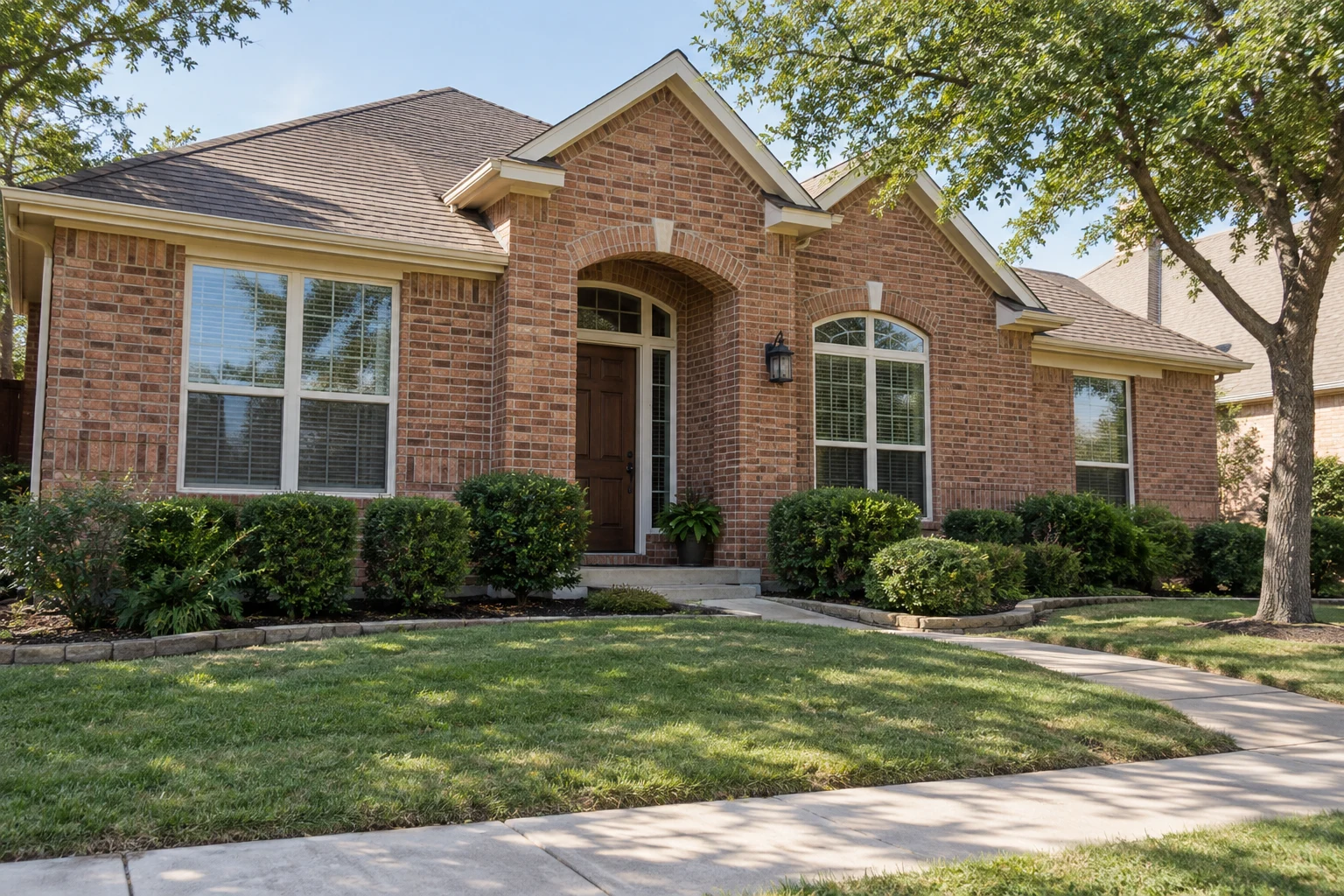
When Replacement May Improve Market Readiness
Replacement makes more sense when the existing windows are likely to weaken the way the home presents in person. That can happen when several front-facing windows are visibly deteriorated, a major living area has multiple fogged units, bedrooms have windows that are difficult to open, or old windows clash with other recent updates. If the kitchen, flooring, paint, and exterior all look move-in ready, failing windows can stand out more sharply.
This is where a seller should think in terms of market readiness, not a guaranteed sale-price increase. New windows may help a home feel more cared for, more comfortable, and more consistent with other updates, but no contractor should promise a specific return or a faster sale. The decision is strongest when replacement solves a visible or functional problem that would otherwise keep coming up in showings, negotiations, or buyer questions.
For North Texas homes, glass performance can also be part of the conversation. ENERGY STAR notes that certified windows are evaluated using climate-based criteria, including U-factor and Solar Heat Gain Coefficient, which relate to insulation and solar heat gain. That matters most when a room bakes in the afternoon sun or when older windows make comfort problems obvious during a showing.
Clarity's replacement window service can help sellers compare styles, glass options, and full-unit replacement for the actual openings in the home. Product availability and configuration should be confirmed for each opening before a seller builds listing plans around the project.
When Leaving the Windows Alone May Be Wiser
Not every older window deserves pre-listing money. If the home also needs roof work, flooring, paint, drainage correction, exterior repairs, or major cleaning, windows may not be the top priority. A seller with two weeks before photos should be especially careful about starting a project that depends on measurements, product ordering, installation scheduling, weather, and final cleanup.
Leaving the windows alone may be reasonable when they open, close, lock, and look consistent with the rest of the house. It may also make sense when the next owner is likely to remodel anyway, or when replacing only one or two units would create a mismatched look from the street. In those situations, your listing agent may help you decide whether to price, disclose, clean, service, or explain the condition rather than make a rushed improvement.
A seller should also avoid using new windows to cover a problem that belongs elsewhere. Soft drywall, recurring water staining, or windows that bind because an opening has moved may need a broader home evaluation. A window contractor can speak to the opening and the replacement scope, but foundation, structural, appraisal, and legal disclosure questions belong with the proper professional. The Texas Real Estate Commission publishes a Seller’s Disclosure Notice; discuss disclosure questions with your agent or a qualified legal professional.
Timing Can Matter as Much as Condition
Window replacement is not a same-day retail purchase. A useful estimate starts with the actual opening, not just a window count, because the consultant needs to look at size, shape, frame condition, access, trim, exterior material, glass choices, and whether the project should be phased. Clarity's window replacement estimate guide explains how those details shape the scope before a homeowner decides.
If you are several months from listing, replacement may fit cleanly into a larger preparation plan. If photos are next week, the better move may be cleaning tracks, removing failed screens if appropriate, documenting concerns for your agent, and getting professional input only on the most distracting or nonfunctional windows. Ask Clarity to confirm current product and installation timing for your actual project before you make listing promises around new windows.
The timing conversation should include the whole house. If new windows will be installed after fresh paint, new flooring, or exterior trim work, coordination matters. Leave time for inspection, cleanup, paperwork, and photos before the listing goes live.
Warranty Transfer Can Be Part of the Conversation
If replacement does make sense before selling, warranty documentation can matter to a buyer. Anlin's warranty information states that its Limited Double Lifetime Warranty coverage is transferable to the next subsequent homeowner, with restrictions and complete terms in the applicable warranty document. That detail should be reviewed for the exact products and manufacturing period involved, not treated as a generic promise for every window on the market.
Clarity's warranty support page is the right internal path for eligible Clarity-installed products that need service review. For a seller, the practical task is simple: keep the product paperwork, installation information, warranty documents, and service records organized so your agent can discuss them accurately with prospective buyers.
Warranty should not be the only reason to replace windows before selling. It can strengthen the story when replacement is already justified by condition, operation, appearance, or comfort. It is less persuasive when the current windows are functional and the project would strain the listing timeline.
What to Discuss With Your Listing Agent
Your agent sees the homes you are competing against, the buyer expectations in your price range, and the condition issues that tend to slow conversations in your neighborhood. Bring a short window list to that conversation instead of a general worry. Separate appearance, operation, damage, comfort, and timing so the advice can be specific.
Ask whether the windows are likely to affect photos, showings, buyer confidence, or repair conversations. Ask what other pre-listing items should come first. Ask whether a partial project would help or create a mismatch. Ask how much time is available before photos, showings, and expected closing dates. Then compare that advice with a window estimate built around the home as it is, not a generic home-value claim.
Ask your agent which window concerns buyers are likely to notice in your price range. If replacement is worth considering, NFRC ratings can help compare proposed products; they do not predict the home's sale price.
The Bottom Line
Replacing windows before selling a DFW home can be a smart move when the existing units create visible damage, poor operation, comfort complaints, or an inconsistent look that weakens the listing. It can also be unnecessary when the windows still function, the timeline is short, or other home priorities matter more.
The cleanest decision comes from three conversations: your own room-by-room condition check, your listing agent's market perspective, and a window estimate based on the actual openings. When those three point in the same direction, the next step is easier to defend.
Get a Seller-Focused Window Estimate
If your DFW home has aging, fogged, damaged, or difficult-to-operate windows, schedule a [free in-home consultation and estimate](https://claritywindows.com/get-quote/) with Clarity Windows and Doors before you finalize your pre-listing plan. Bring Clarity to your home.
Helpful Resources
Frequently Asked Questions
Should I replace every window before listing my home?
Usually not by default. Whole-home replacement may make sense when the windows are consistently failing or visibly dated, but many sellers should focus first on the units that affect curb appeal, operation, comfort, or buyer confidence.
Do new windows guarantee better resale value?
No. The effect on resale value depends on the home, its condition, the market, buyer expectations, timing, and other property priorities. Treat new windows as a condition and presentation decision, not a guaranteed return.
What window problems may concern buyers?
Buyers may notice windows that stick, will not lock, show fog between panes, have cracked or soft surrounding trim, look mismatched from the curb, or make certain rooms feel hot, drafty, or noisy.
What if only one or two windows are bad?
A limited project may be reasonable if the problem windows are highly visible or nonfunctional. If the rest of the house is consistent and the windows are not distracting, service, cleaning, documentation, or agent-guided disclosure may make more sense.
How close to listing is too close for window replacement?
That depends on product availability, project size, installation timing, weather, and your listing schedule. Confirm current timing with Clarity and your agent before planning photos or listing dates around new windows.