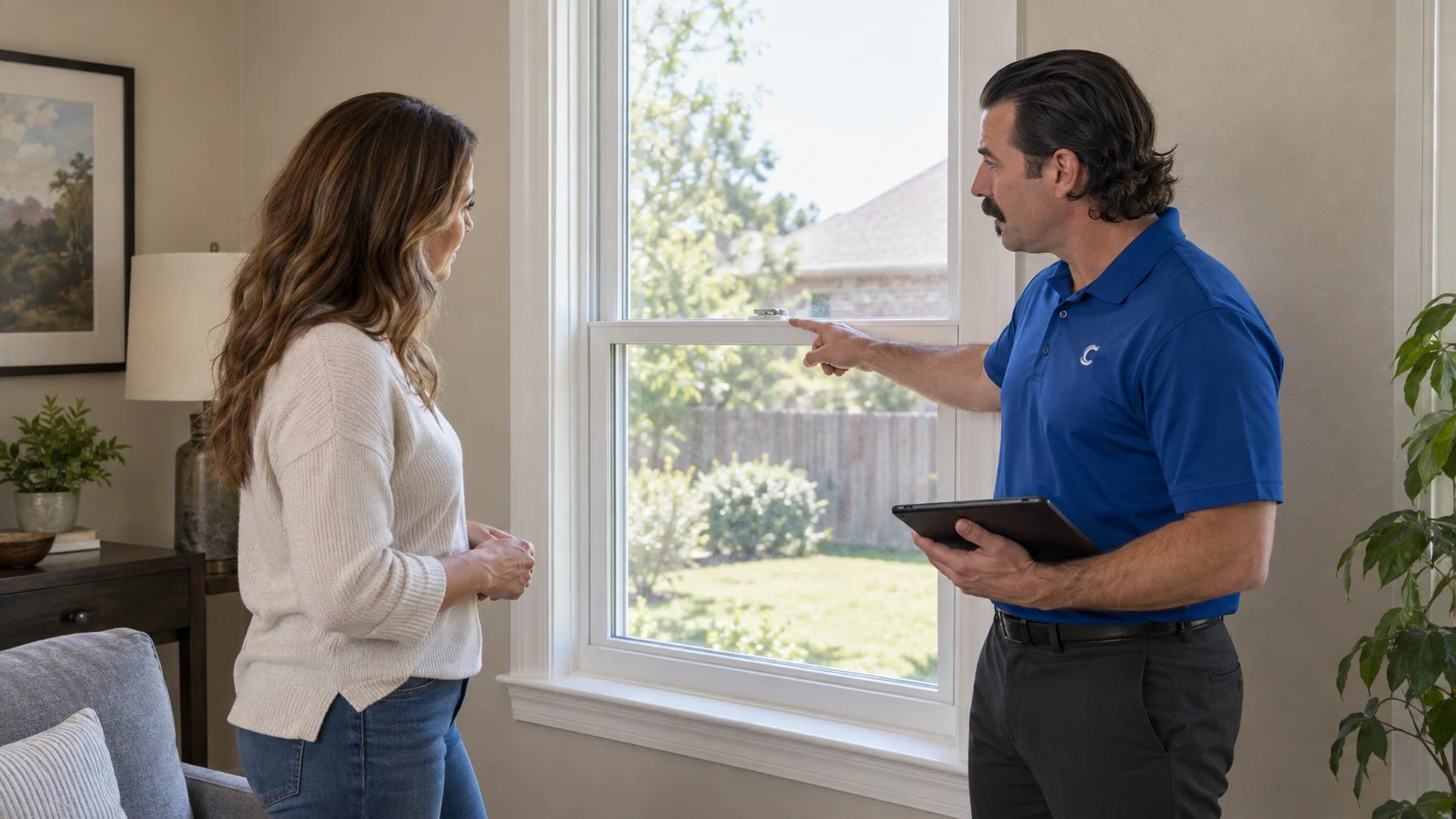
Are Vinyl Windows Secure? What to Know About Locks and Glass
A homeowner in Irving usually notices the lock first. It is small, it turns with two fingers, and it may sit on a window that covers half the breakfast room wall. That can make a reasonable person wonder whether modern vinyl windows provide meaningful security, or whether the frame and glass leave too much exposed.
Vinyl window security comes from the full unit, not one piece of hardware. The lock, sash, meeting rail, frame, glass package, installation, and everyday habits all affect how secure a window feels and performs. A window also works alongside the rest of the home: doors, lighting, alarms, cameras, landscaping, and the routines your family actually follows.
For Dallas-Fort Worth homeowners comparing options, the practical goal is clear. Choose windows that close squarely, lock consistently, fit the opening correctly, and give you the right glass and hardware options for each room.
What a Standard Window Lock Does
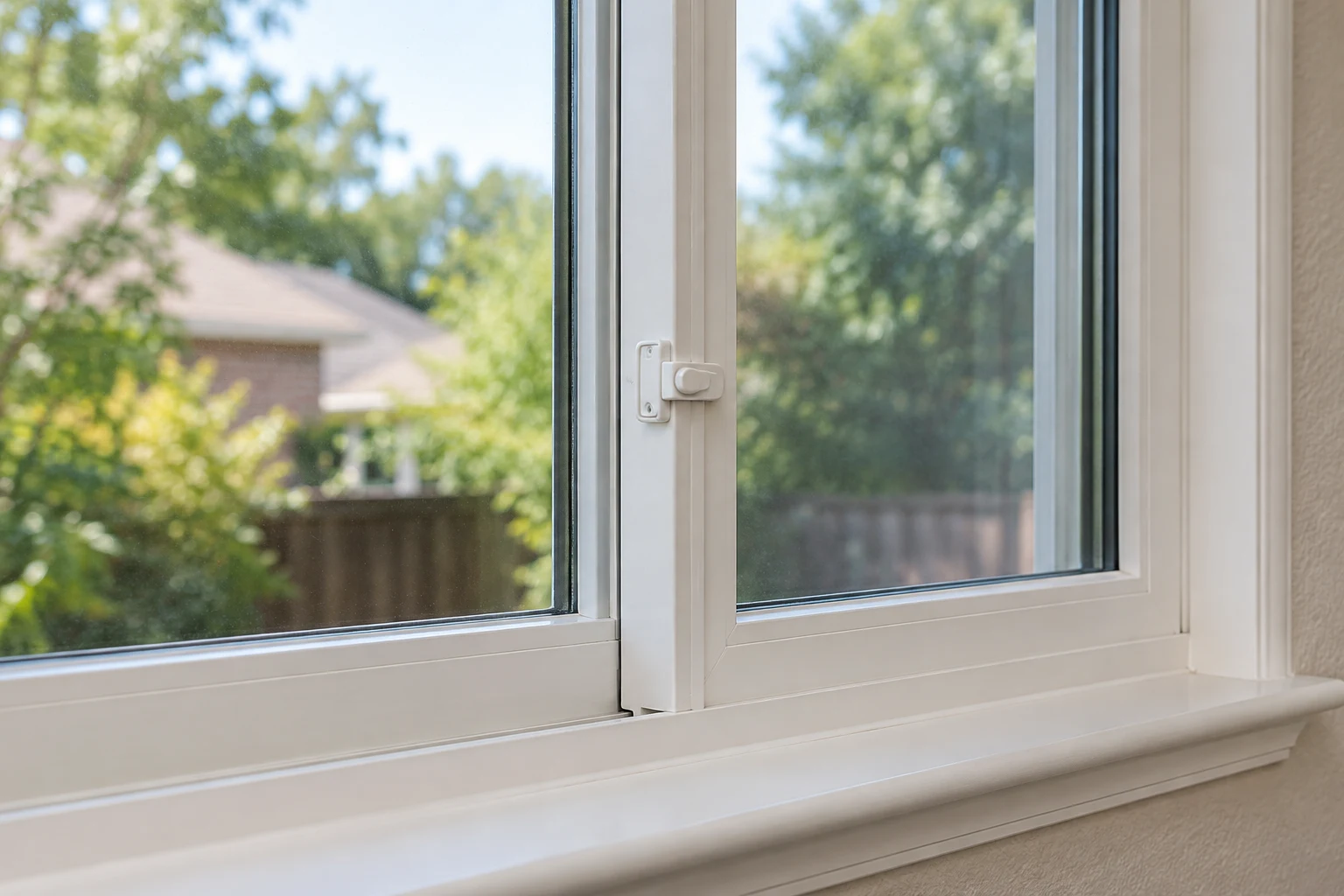
A standard window lock holds the movable sash in the closed position and helps the sash meet the frame or opposite sash as designed. On a single-hung or double-hung window, that usually happens at the meeting rail. On a slider, the operating panel secures where it meets the fixed panel or frame.
A lock that works easily is usually telling you something good about the rest of the window. The sash is closing evenly, the hardware is aligned, and the frame is giving the lock a stable place to engage. When the lock scrapes, feels loose, or takes force, the issue may be the lock itself, but it may also be the sash, balance system, worn frame, past installation, or movement in the opening.
The best test for a homeowner is simple and nontechnical: the window should close without a shove, the lock should turn without a fight, and the closed sash should feel settled. If you have to lift, press, or pull in a certain sequence, that amount of force or sequencing warrants evaluation. When comparing replacement window options, start with how the whole unit operates.
The lock should engage with normal hand pressure.
The sash should sit even when closed.
The meeting rail should line up cleanly.
The homeowner should be able to lock the window as part of a normal nightly routine.
Why the Meeting Rail and Frame Matter
The meeting rail gets attention because that is where many locks sit. In a vinyl window, the rail is only one part of the structure around the lock. Frame depth, sash design, reinforcement, weatherstripping, and the way the rails meet all affect how the window reacts when it is closed and locked.
Older windows often give homeowners clues before they fail completely. A breakfast-room slider may rattle in a storm. A bedroom window may lock only when one person pushes the sash while another turns the latch. A second-story window may look closed but leave a thin uneven gap at the rail. Those symptoms deserve evaluation because security, comfort, air leakage, and operation often overlap.
A hard-to-lock window should not be treated as a foundation diagnosis by itself. North Texas homes move, but lock trouble can also come from age, worn balances, heat exposure, poor fit, damaged hardware, or a past installation that never set the window squarely. Have the whole opening evaluated before drawing conclusions from one latch.
For product-specific context, the Anlin Del Mar brochure says lock hardware is attached to fiberglass reinforcement and a continuous interlocking rail helps limit outside access to the lock, while the windows and doors pass forced-entry resistance testing. That claim belongs to the documented Anlin Del Mar system, not to every vinyl window on the market.
Glass Changes the Conversation
Glass is the part of a window people worry about most because it is visible and breakable. The right glass discussion starts with the room, the opening, and the goal for that specific location. A homeowner may care about safer breakage, added resistance, privacy, sound, heat, or several of those at once.
Tempered glass is safety glazing. Anlin describes its 4X Tempered Safety Glass as stronger than standard glass and designed to break into smaller pieces that reduce injury hazards. That makes it important for certain safety and code-related locations, but it should not be described as an automatic intrusion-resistance upgrade.
Laminated glass serves a different role. Anlin lists First Guard Laminated Security Glass as an optional upgrade and states that it meets ASTM F1233 for forced-entry resistance. In plain English, laminated glass is the option to discuss when you want added resistance at a vulnerable opening, while tempered glass is primarily about safer breakage behavior.
A ground-floor bedroom near a dark side yard deserves a different conversation than a second-story bathroom window over a driveway. The decision should weigh the window's location, privacy needs, ventilation, budget, lighting, alarm contacts, and how the window fits into the rest of the home-security plan.
Tempered glass: primarily a safety glazing choice for breakage behavior and code-related locations.
Laminated security glass: an optional resistance upgrade when supported by the product documentation.
Standard insulated glass: common for comfort and efficiency, but not the same as a security-glass upgrade.
Opening Style Affects Security and Daily Use
Single-hung windows, double-hung windows, sliders, casements, awnings, picture windows, and patio doors do not lock or operate the same way. They also serve different jobs inside a home.
Hung windows and sliders depend heavily on sash alignment and meeting-rail engagement. Casement and awning windows use a crank-out operating style with different locking hardware. Picture windows do not open, so their security conversation centers on frame strength, glass choice, size, location, and installation.
The room matters as much as the style. A bedroom window may need to open for emergency exit. A kitchen window over a sink needs hardware that can be reached and used comfortably. A large front-facing picture window may need more discussion about glass and visibility than lock operation. Secure replacement windows still have to work for real daily life.
That is why it helps to operate sample units in person, compare how each style feels, and think through the rooms where the windows will be used every day. The Coppell showroom by appointment gives homeowners a practical place to compare operation before choosing.
Installation Determines Whether the Lock Can Work Correctly
A quality window can still feel wrong if it is installed into the opening poorly. If the unit is forced into place, set out of square, or finished in a way that strains the frame, the sash may drag and the lock may become harder to use.
Dallas-Fort Worth homes add their own conditions. Older brick openings, previous repairs, water-damaged trim, and out-of-square framing can all affect how a replacement window fits. A good installation accounts for the actual opening instead of hiding fit problems behind trim. The finished work should feel solid without making the window harder to open, close, clean, or lock.
A smoothly closing sash makes routine locking easier. When a sash takes a shoulder push or a special trick, that window is more likely to be left unlocked on a busy morning or at night.
The window should sit square and level in the opening.
The sash should move without binding.
The lock should engage without unusual force.
Weatherstripping should compress evenly.
Interior and exterior finishing should support the installed unit.
Household Habits Still Matter
Better windows reduce weak points, but they cannot replace the habits around them. A new lock left open still leaves an opening unsecured.
Dallas Police residential burglary prevention guidance advises homeowners to lock doors and windows and keep shrubs trimmed so windows remain visible. That advice fits the way window security works in a real neighborhood. Visibility, routine, and a properly locked window all support each other.
For most homes, the useful routine is straightforward: lock accessible windows, keep shrubs from hiding side-yard openings, and make sure the windows that actually open are included in your alarm or sensor plan. These are ordinary home-care habits. They also keep the replacement decision grounded, because a stronger window still needs to be closed, locked, and visible enough to do its job.
What to Ask During a Replacement Window Estimate
If security is part of why you are replacing windows, bring it up during the estimate. The best conversation is specific to your home, your rooms, and the openings that bother you.
Point out ground-floor windows, secluded side-yard openings, old sliders that no longer lock cleanly, and rooms where you want ventilation without feeling exposed. Ask how each style locks, whether laminated glass is available for a specific opening, and how the installation plan will address any existing fit or operation problems.
A useful estimate leaves you with a clear understanding of the product, glass, installation approach, and written warranty path before you make a decision. It should also make the tradeoffs plain enough that you can prioritize the rooms that matter most instead of treating every window as the same problem.
Which windows are easiest to access from outside?
Which existing locks are hard to engage?
Do any windows need to remain easy to open for emergency exit?
Would laminated glass make sense in one or two specific rooms?
Can you compare lock operation and glass options in person?
The Bottom Line
Start with the windows that concern you most, then choose a complete replacement plan that helps them close squarely, lock reliably, and fit the way your home actually lives.
Talk Through Your Window Security Questions
Request an in-home estimate so a Clarity design consultant can review your current windows and explain replacement options for your Dallas-Fort Worth home. You will receive an exact, itemized price in writing. Bring Clarity to your home.
Helpful Resources
Frequently Asked Questions
Are modern vinyl windows secure?
Modern vinyl windows can add meaningful resistance when the frame, sash, meeting rail, lock, glass, and installation are designed and installed to work together. They are still one part of a broader home-security plan.
What does a standard window lock do?
A standard lock holds the sash closed and helps the meeting rail or frame align as intended. It works best when the window closes squarely and the hardware engages without forcing.
Is tempered glass the same as security glass?
No. Tempered glass is safety glazing that addresses breakage behavior and injury hazards in certain locations. Laminated security glass is the option more commonly discussed for added forced-entry resistance when supported by the product documentation.
Can a hard-to-lock window mean foundation movement?
It can be one possible clue, but it is not a diagnosis by itself. Lock trouble can also come from worn hardware, sash issues, heat exposure, poor installation, frame movement, or age.
Does Clarity repair window locks on existing third-party windows?
No. Clarity replaces complete window units and provides warranty service only for eligible covered products under written terms. It does not repair third-party lock components on unrelated existing windows.
Should I ask about security during my replacement window estimate?
Yes. Point out the windows that concern you most, especially accessible ground-floor windows, secluded openings, and units that no longer close or lock properly.