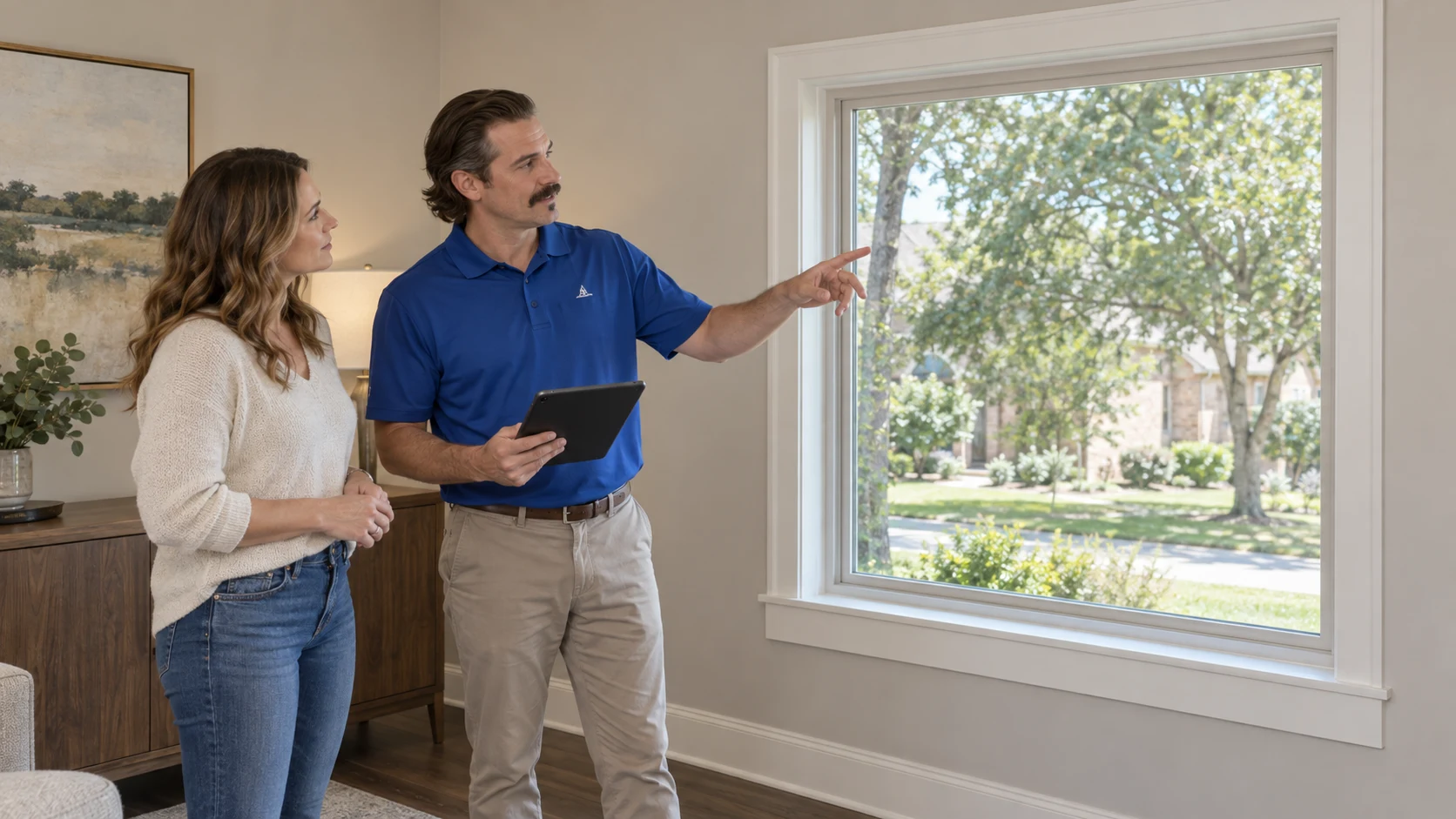
What Should You Bring to a Window and Door Showroom Visit?
You may already have the fun part saved on your phone: black-framed windows, a warmer front door color, maybe a patio door that opens the room to the backyard. Then you walk into a showroom and realize the consultant needs a different kind of information too. Which windows stick? Which room gets hot at 4 p.m.? Is the current door hard to lock, drafty, too dark, or just not your style anymore?
Before visiting a window and door showroom in Dallas-Fort Worth, gather a few details about your home so the consultant can answer specific questions. Clarity Windows and Doors welcomes homeowners to its Coppell showroom at 800 Freeport Pkwy Suite #150, Coppell, TX 75019. The showroom is open to the public by appointment, so the goal is to make that time count.
Start With Photos of the Actual Openings
Start with the windows and doors you live with every day, not only the styles you like online. A clear photo of each problem area helps a design consultant understand the home before anyone talks about product lines or finishes.
For windows, take one straight-on interior photo, one wider room photo, and one exterior photo when you can get it safely. Include the full wall around the opening so trim, siding, brick, furniture placement, and shade conditions are visible. For doors, capture the full entry or patio area, the threshold, the swing or slide direction, nearby flooring, and any tight spaces that affect operation.
This is especially useful when a home has several different window types. A front bedroom in Denton may have a single-hung window, while the living room has a large picture window and the breakfast nook has a slider. Bringing those photos to the Coppell showroom gives the conversation a practical starting point instead of relying on memory.
If you want to see products in person and talk through options at Clarity’s Coppell showroom, review the window and door showroom page before your appointment so you have the current appointment details and location information.
Take photos in daylight when possible, with blinds or curtains open.
Stand far enough back to show the whole opening and surrounding wall.
Add close-ups only for specific issues such as damaged trim, a failed lock, water staining, or worn weatherstripping.
Label photos by room in your phone so you do not have to sort them during the visit.
Bring Rough Counts, Not Final Measurements
Homeowner measurements can help with planning, but they are not manufacturing measurements. Clarity’s process includes a precision measure before custom-built windows or doors go to production, and the get-estimate process explains that a technician takes detailed, exact measurements after the homeowner is ready to move forward.
For the showroom appointment, your rough notes should answer basic scope questions. How many windows are you considering? Are you looking at one front door, a patio door, or the whole first floor? Are there any oversized openings, arched tops, sidelites, transoms, or rooms that need a different approach?
A tape-measure note such as "living room picture window, about 72 inches wide" can help frame the conversation, but it should never be treated as the size used to order a product. Window and door openings are affected by frame condition, wall construction, installation method, and product configuration. Those details need professional verification.
If you are building your own window consultation checklist, include a room-by-room count first and dimensions only when they are easy to gather safely.
Count each window and door you want to discuss.
Mark which items are must-do now and which could wait.
Note unusually large, tall, arched, or grouped openings.
Skip any measurement that would require a ladder, leaning out a window, or removing trim.
Write Down the Problems You Want Solved
A showroom visit goes better when you can separate appearance goals from daily frustrations. A beautiful window that does not address heat, glare, operation, or maintenance will not feel like the right choice after one North Texas summer.
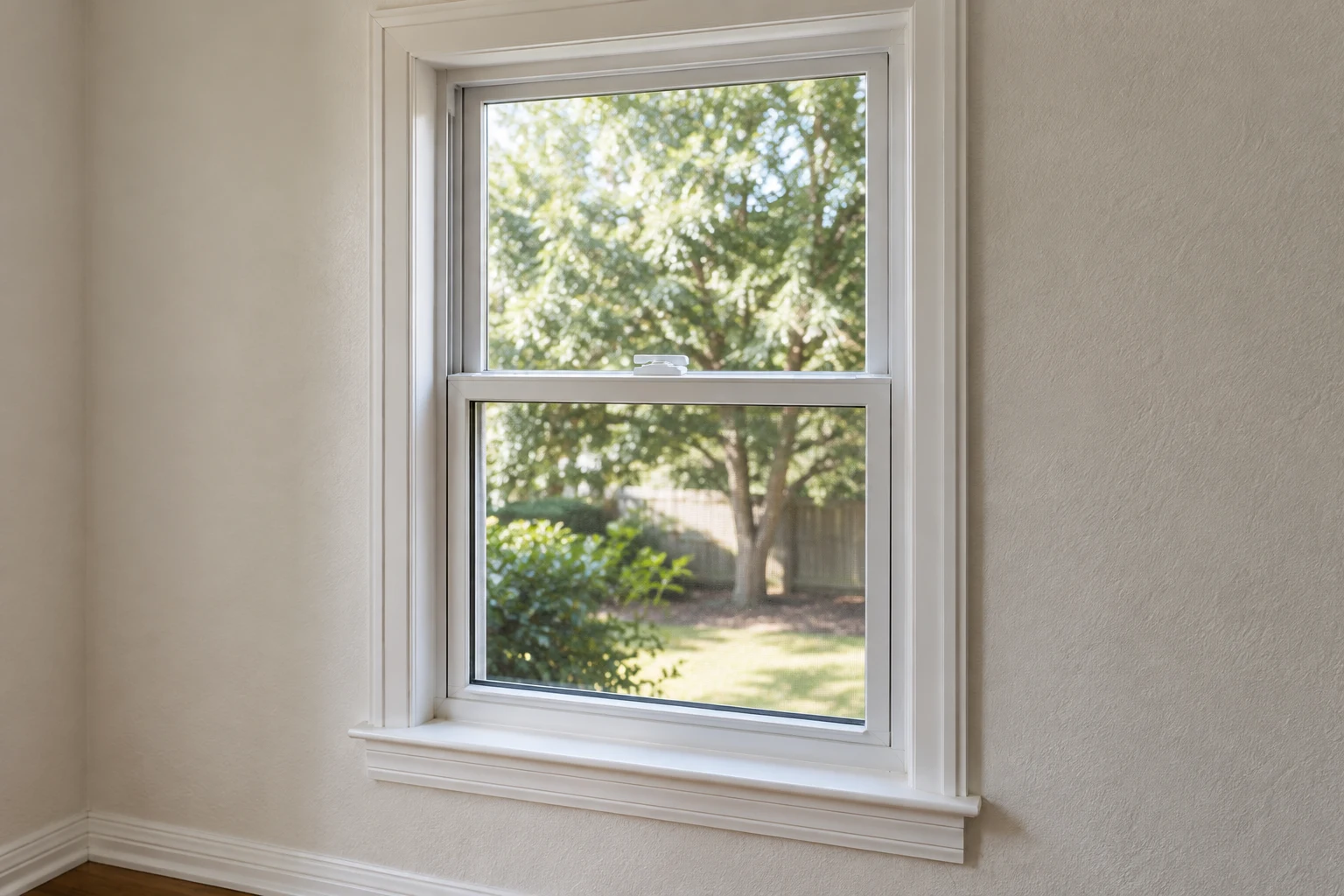
For windows, note rooms that feel hot, cold, drafty, loud, dusty, or hard to ventilate. If a window sticks, will not lock, has damaged screens, or has moisture in a specific location, write down where and when you notice it. Do not assume every fogging issue means replacement is required; the location and conditions matter when evaluating window health.
For doors, describe how the door behaves. Does the front door drag on the threshold? Is the patio door heavy to slide? Does the latch miss the strike plate? Do you want more glass, less glass, better privacy, a pet door, or a cleaner transition to the patio?
When energy performance comes up, ask the consultant to explain U-factor and Solar Heat Gain Coefficient in plain language. ENERGY STAR says window, door, and skylight criteria are based on climate zone, U-factor, and, where applicable, Solar Heat Gain Coefficient; NFRC ratings give homeowners a way to compare certified product performance.
Comfort and Sun Exposure
Dallas-Fort Worth homes often have different comfort problems on different sides of the house. A west-facing game room may need help with late-afternoon sun, while a shaded north bedroom may feel different in winter. Bring notes by room rather than one general statement that the house is hot.
Operation and Access
If a window is above a kitchen sink, behind furniture, or in a tight bathroom, operation matters. The same is true for patio doors near breakfast tables, dog crates, or narrow walkways. A showroom appointment is the right time to compare how different units open, lock, and feel in hand.
Sort Your Style Priorities Before You Arrive
Inspiration photos are still useful; they just need context. Save examples of homes that look like yours, not only homes with different rooflines, exterior materials, and budgets. A black modern door on a white brick new build may not answer the same question as a traditional brick home in Carrollton or a shaded front porch in Flower Mound.
For windows, think about frame color, grid pattern, sightlines, ventilation, cleaning access, and how much glass area you want. Clarity’s replacement windows page shows several window types, which can help you arrive with better vocabulary for the showroom conversation.
For entry doors, bring a photo of the full front elevation of your home. Door style, glass shape, sidelites, hardware finish, and privacy level all affect curb appeal. If the project involves a front door, Clarity’s entry doors page is a useful reference before comparing options in person.
For patio openings, decide whether your main priority is traffic flow, backyard view, ventilation, pet access, or a more finished look between indoor and outdoor living areas. Clarity’s patio doors page can help you think through sliding and French door directions before the appointment, while the final product choice still depends on the actual opening.
Save two or three inspiration photos, not twenty.
Bring one exterior photo of your home from the curb.
Note any HOA or neighborhood style considerations.
List finish preferences, but stay open until confirmed options are matched to the product and opening.
Know What You Can Compare in the Showroom
The value of a showroom appointment is touch, scale, and comparison. Photos online can make two products look similar, but an installed display unit can show how a sash moves, how a lock feels, how a door panel sits, and how glass affects the look of the room.
Do not expect every possible style, finish, grille pattern, glass package, or hardware option to be physically displayed. Custom window and door projects have many combinations, and availability must be confirmed for the actual opening. The showroom helps narrow the direction so the next conversation can become more specific.
During the visit, focus on the decisions that are hardest to make from a screen. Open and close display units. Look at frame width from a normal standing distance. Ask how a product would work in the rooms from your photos. If you brought a list of comfort concerns and operation issues, the consultant can connect those concerns to product choices without guessing.
This is also the right time to ask what happens next. Clarity’s contact page confirms the Coppell address and appointment-based showroom access, and the consultation process explains that a design consultant can evaluate existing windows and doors, explore custom options, and provide an itemized price in writing.
The Bottom Line
A productive showroom appointment does not require perfect measurements or a finished design plan. It requires honest information from the home: photos, rough counts, problem notes, style direction, timing, and the questions you do not want to forget.
When you bring those details, the showroom conversation can move from general browsing to a clearer discussion about what fits your home, what needs to be verified in person, and what steps come next. Bring Clarity to your home.
Schedule Your Showroom Appointment
Ready to talk through your windows, entry doors, or patio doors in person? Visit Clarity’s Coppell showroom by appointment or start with an in-home consultation and written estimate. Use the estimate request page to connect with a Clarity design consultant.
Helpful Resources
Frequently Asked Questions
Do I need exact measurements before visiting the showroom?
No. Rough counts and optional approximate dimensions are helpful planning notes, but they do not replace professional measurement. Exact measurements must be taken before custom windows or doors are ordered.
Should I bring inspiration photos?
Yes. Bring a few photos that show the style you like, plus photos of your own home. The home photos usually answer more practical questions about brick, trim, shade, traffic flow, and existing openings.
Can I walk into the Coppell showroom without an appointment?
Clarity states that the showroom is open to the public by appointment. Check the current showroom or contact information before you go.
What should I ask during a door showroom visit?
Ask about operation, privacy, glass amount, swing or slide direction, security features, finish options, maintenance, and whether the configuration can be confirmed for your exact opening.
What happens after the showroom conversation?
The next step is usually a more specific consultation for your home. A design consultant can evaluate the existing windows and doors, review custom options, and provide an itemized written estimate.